Plastic and Cosmetic Surgery: Understanding Modern Surgical & Aesthetic Care
Jul 02, 2026
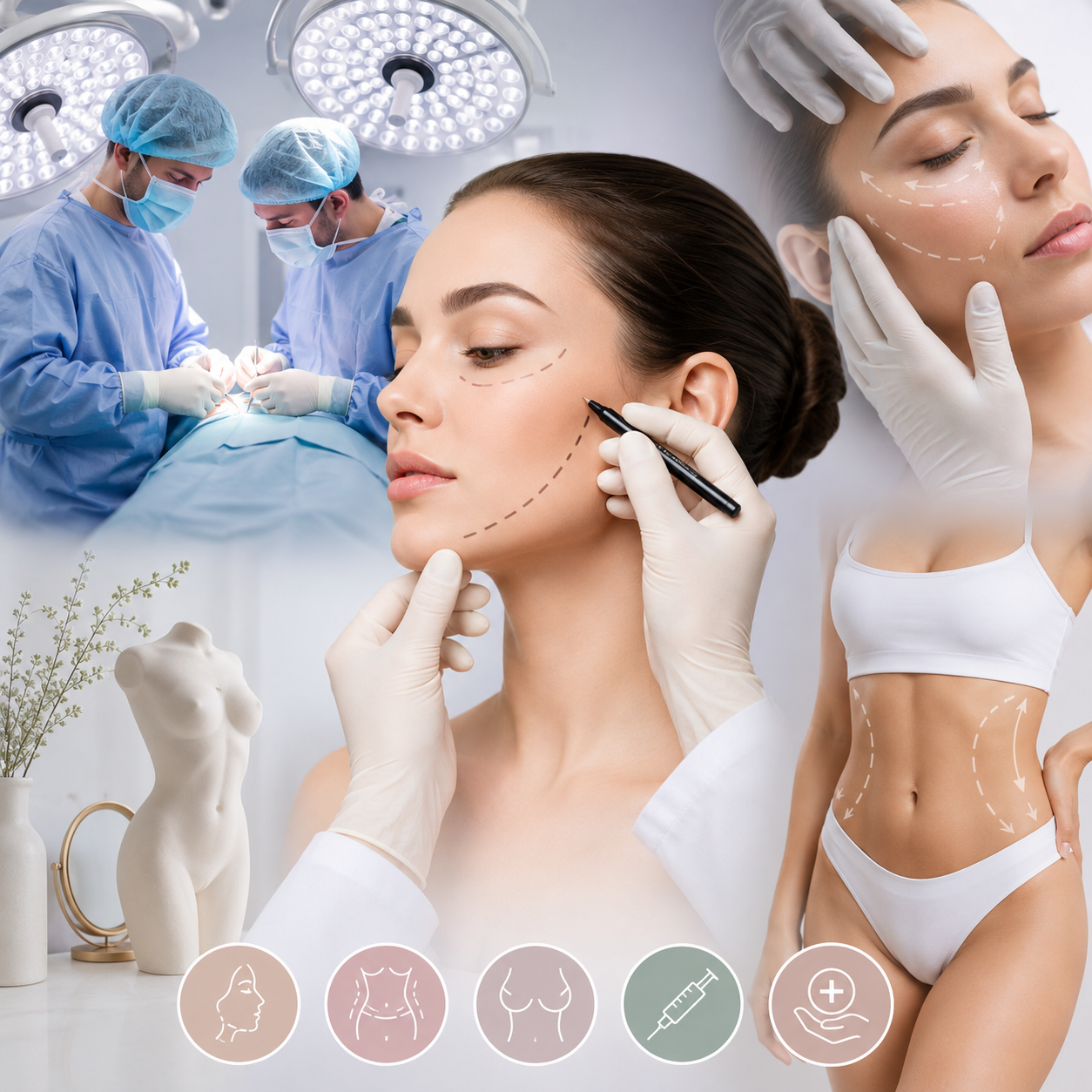

Plastic and cosmetic surgery has evolved significantly with advances in medical technology, surgical techniques, and patient-care practices. Today, these procedures are not limited to enhancing appearance—they can also restore function, repair injuries, correct congenital conditions, and improve quality of life.
Plastic surgery is a specialized field of medicine focused on reconstructing, repairing, or improving different parts of the body. It broadly includes reconstructive surgery and aesthetic or cosmetic surgery.
Reconstructive procedures may help patients recover from trauma, burns, accidents, congenital deformities, scars, or cancer-related surgery. The goal is often to restore both appearance and function.
Cosmetic surgery focuses primarily on improving or enhancing a person's appearance. Depending on the individual's needs and goals, procedures may involve the face, breasts, abdomen, or other areas of the body.
Common cosmetic procedures include:
Modern aesthetic care also includes several non-surgical treatments. These may be considered for facial rejuvenation, skin concerns, scars, pigmentation, and other aesthetic goals.
Depending on the patient's condition, treatment options may include medical-grade skin treatments, injectable procedures, scar management, and other minimally invasive aesthetic procedures.
Every patient is different, and there is no single procedure that is suitable for everyone. A proper consultation with a qualified plastic surgeon is an important first step.
During consultation, the surgeon may assess the patient's concerns, medical history, physical condition, expectations, and treatment goals before recommending an appropriate approach.
Good plastic and cosmetic surgery is about more than the procedure itself. Patient safety, realistic expectations, careful planning, surgical precision, and appropriate post-operative care all play an important role in achieving satisfactory outcomes.
A personalized treatment plan can help ensure that the chosen procedure is appropriate for the patient's individual needs while keeping safety and natural-looking results at the centre of care.
Recovery varies depending on the procedure and the individual. Following the surgeon's post-operative instructions, attending follow-up appointments, maintaining appropriate wound care, and allowing the body sufficient time to heal are important parts of the recovery process.
Patients should discuss expected recovery time, possible risks, activity restrictions, and follow-up care with their surgeon before undergoing any procedure.
Plastic and cosmetic surgery can play an important role in both reconstructive care and aesthetic improvement. With modern techniques and a patient-focused approach, treatment can be planned around individual needs, safety, function, and natural-looking results.
If you are considering plastic or cosmetic surgery, a detailed consultation with a qualified specialist can help you understand your options and make an informed decision about your care.
Shantileela Plastic Surgery Clinic — Where surgical expertise meets compassionate care.